Category: Uncategorized
-
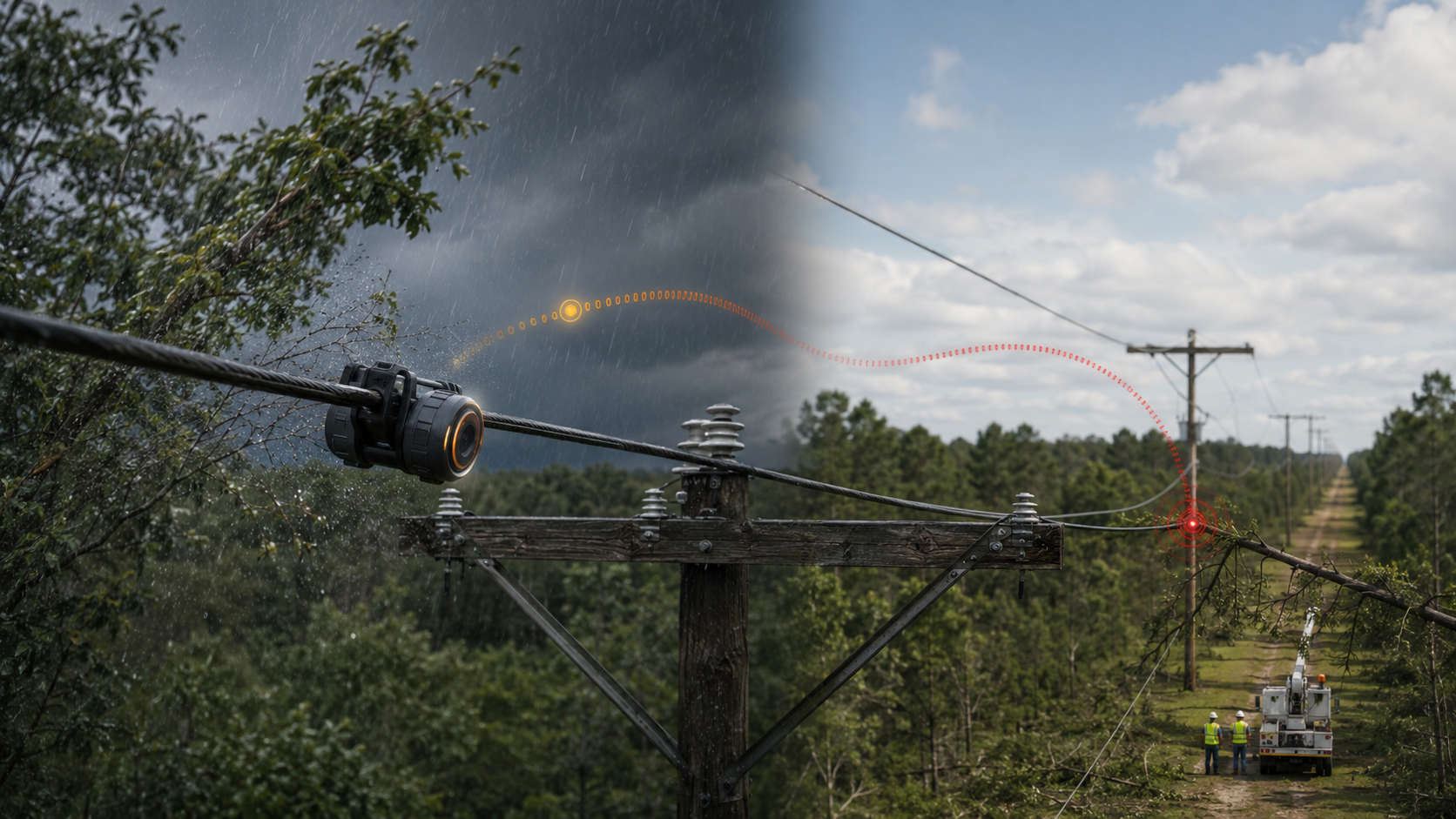
Temporary vs Permanent Faults on Overhead Lines: How Fault Indicators Help Operators Respond
Overhead lines are exposed to weather, vegetation, wildlife, and mechanical damage. Fault indicators help operators understand what happened on the feeder and decide whether the event is likely temporary, needs monitoring, or requires a repair crew. Quick Answer A temporary fault can disappear after the circuit is opened and re-energized. A permanent fault remains until…
-
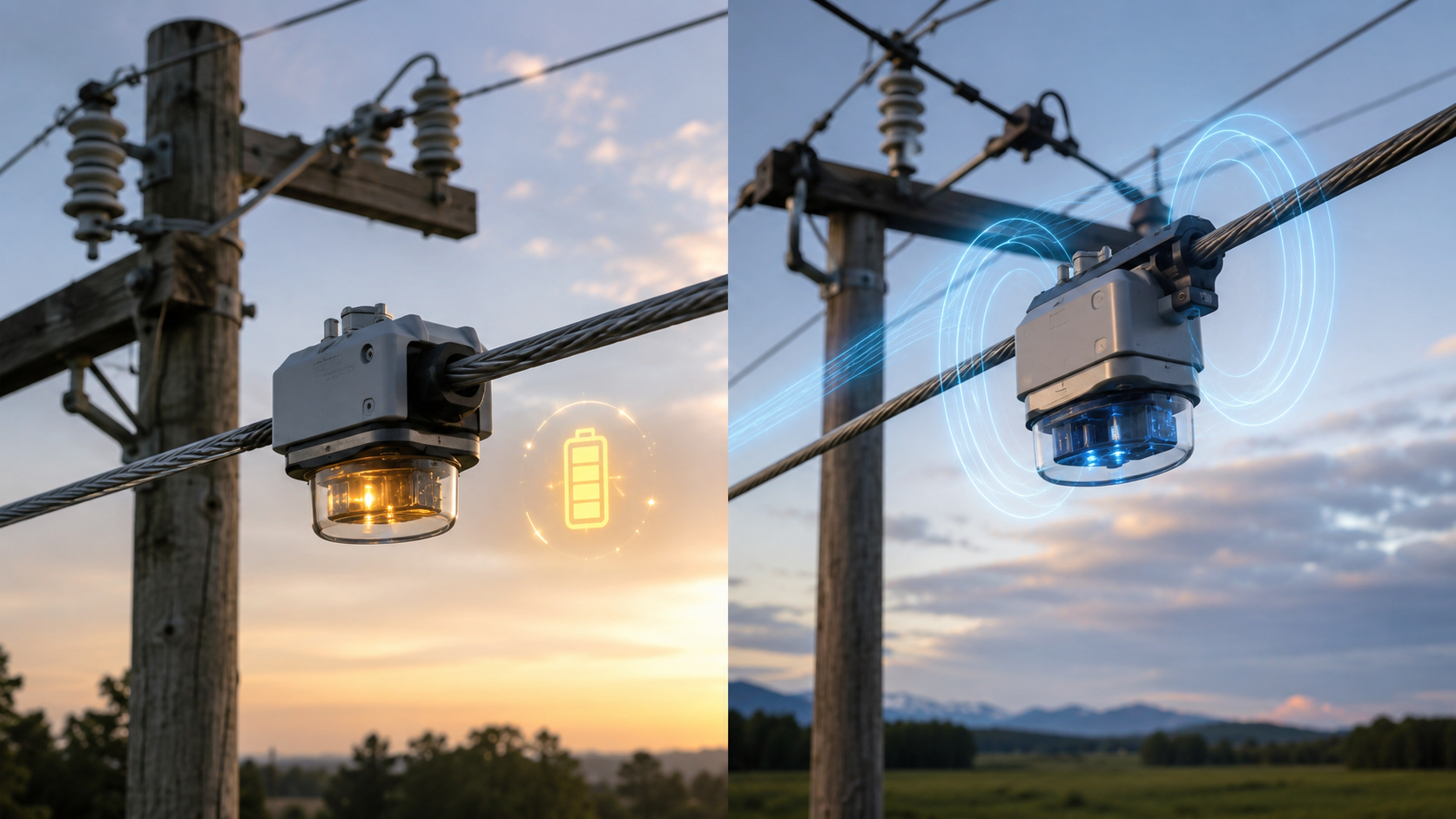
Battery-Powered vs Self-Powered Fault Indicators
Fault indicators help utilities detect and locate faults on overhead distribution lines. The power source behind the device may seem like a small detail, but it affects maintenance planning, communication reliability, installation strategy, and long-term operating cost. Battery-powered fault indicators Best suited for applications where the device must remain ready even when line current is…
-
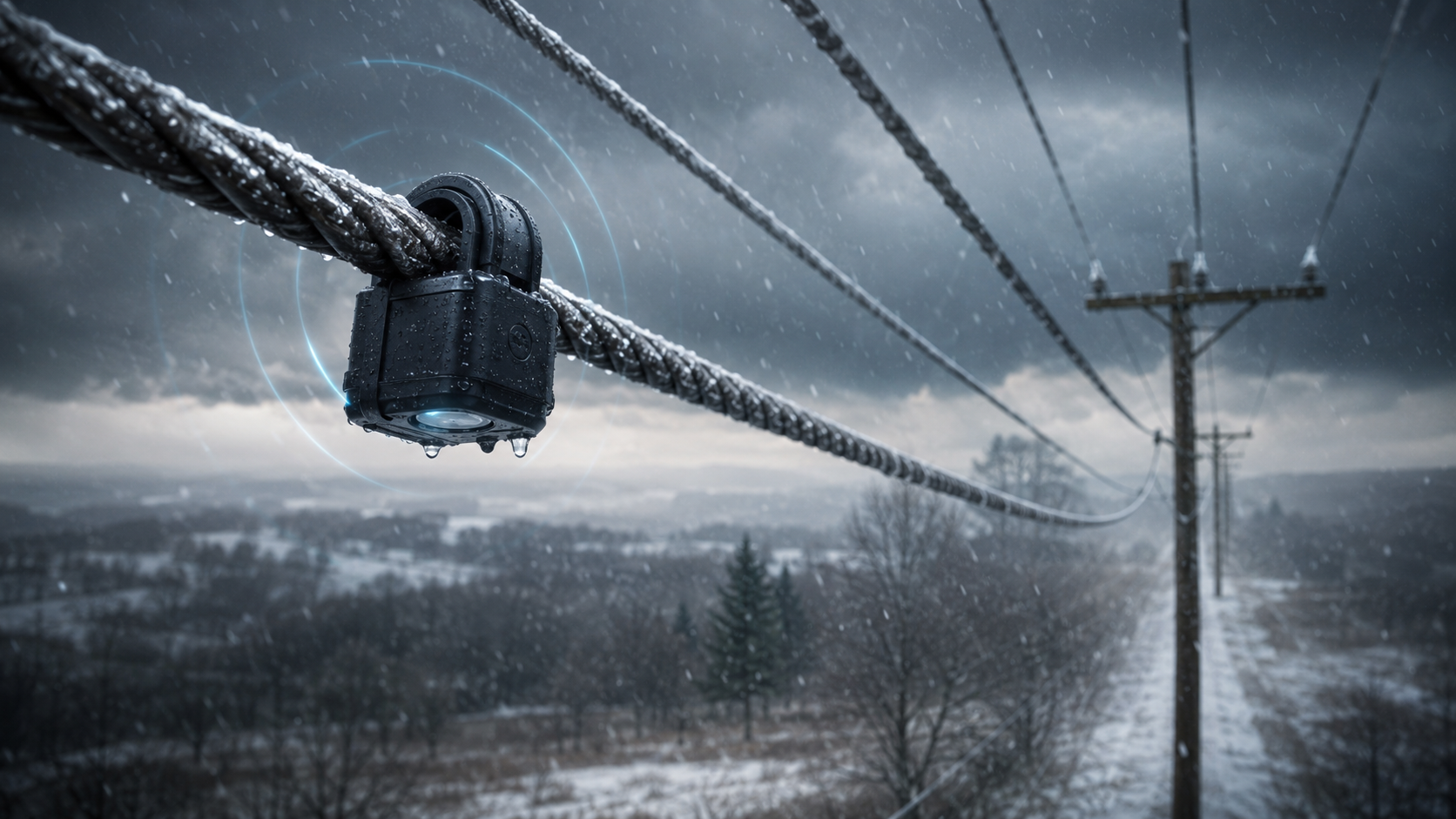
Overhead Line Monitoring in Harsh Weather Conditions
A practical guide for utilities, grid operators, and maintenance teams working with overhead distribution lines. Harsh weather is one of the most difficult challenges for overhead power lines. Strong wind, lightning, ice, heavy rain, snow, salt fog, and falling branches can create faults, damage equipment, and make line inspection slower and more dangerous. Overhead line…
-
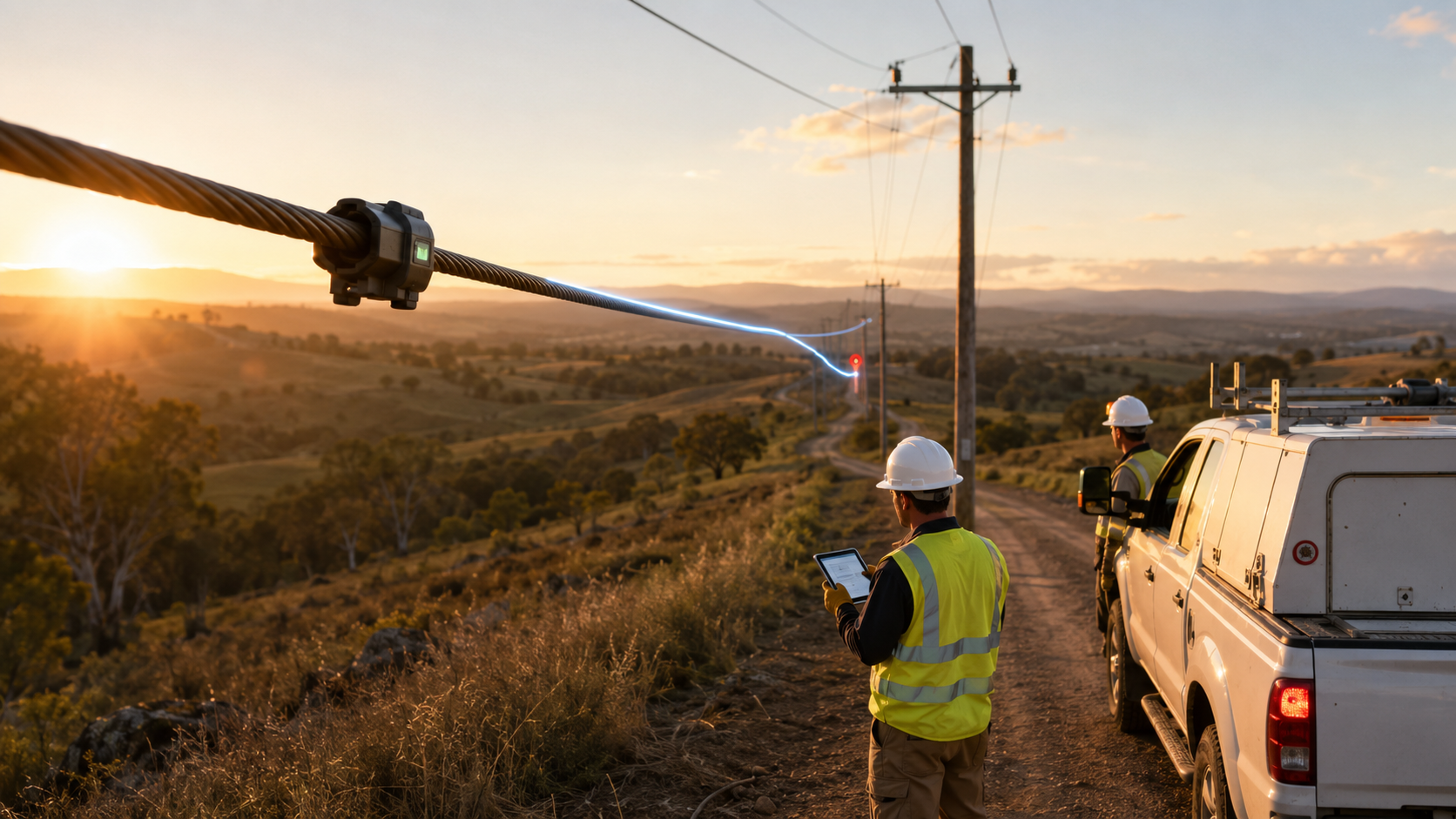
How to Reduce Manual Line Patrols with Fault Location Devices
Manual line patrols are still a common part of outage response. When an overhead feeder trips, field crews may need to inspect long sections of line before they find the damaged span, failed component, fallen branch, broken insulator, or other fault source. This work is necessary, but it can be slow, costly, and difficult in…
-
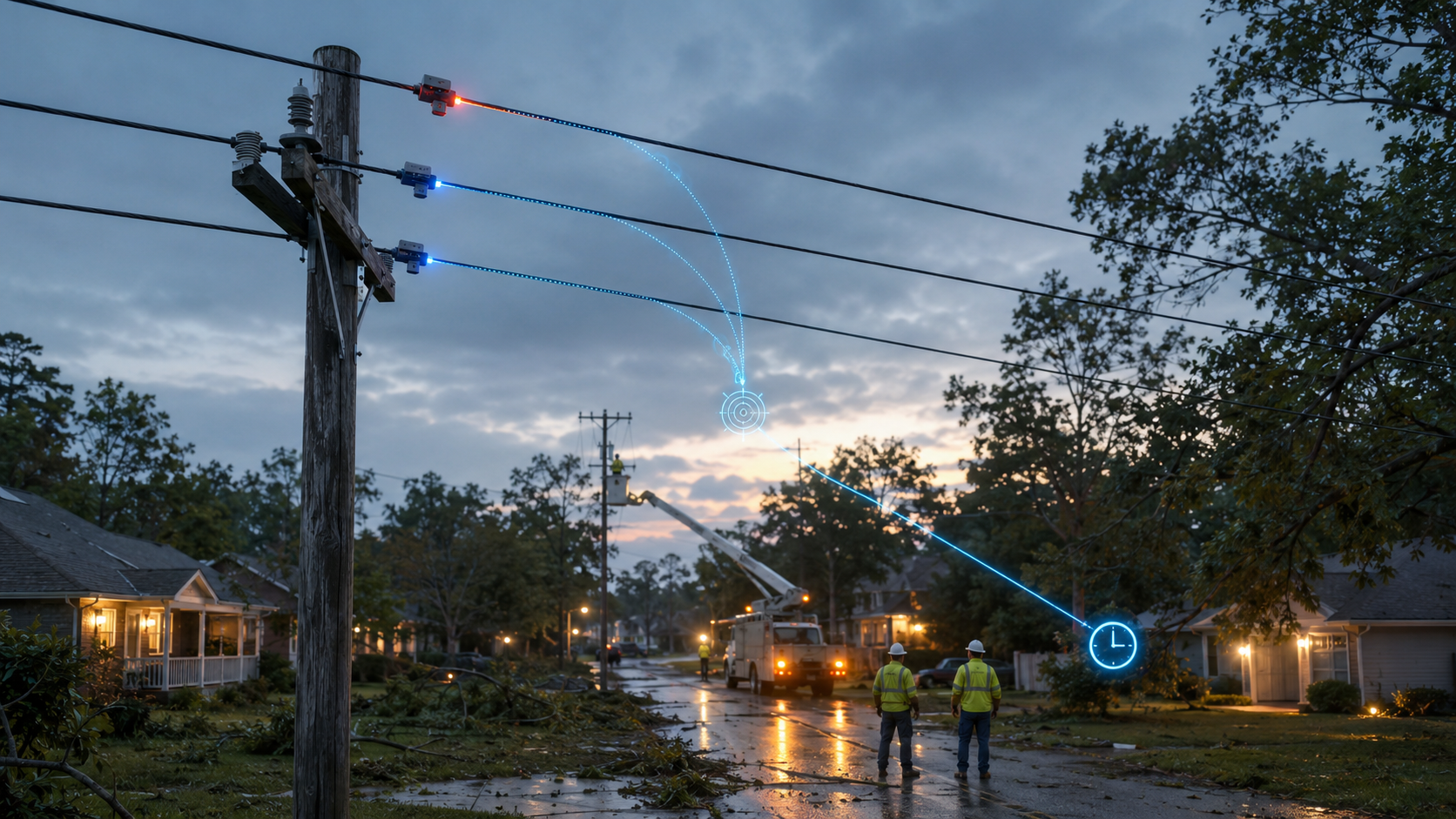
How Overhead Line Fault Indicators Reduce Outage Time
Overhead distribution lines are exposed to wind, lightning, vegetation, wildlife, ice, and mechanical damage. When a fault occurs, the fastest restoration is not only about sending a crew quickly. It is about sending the right crew to the right section of the line with enough information to act safely. Overhead line fault indicators help utilities…
-
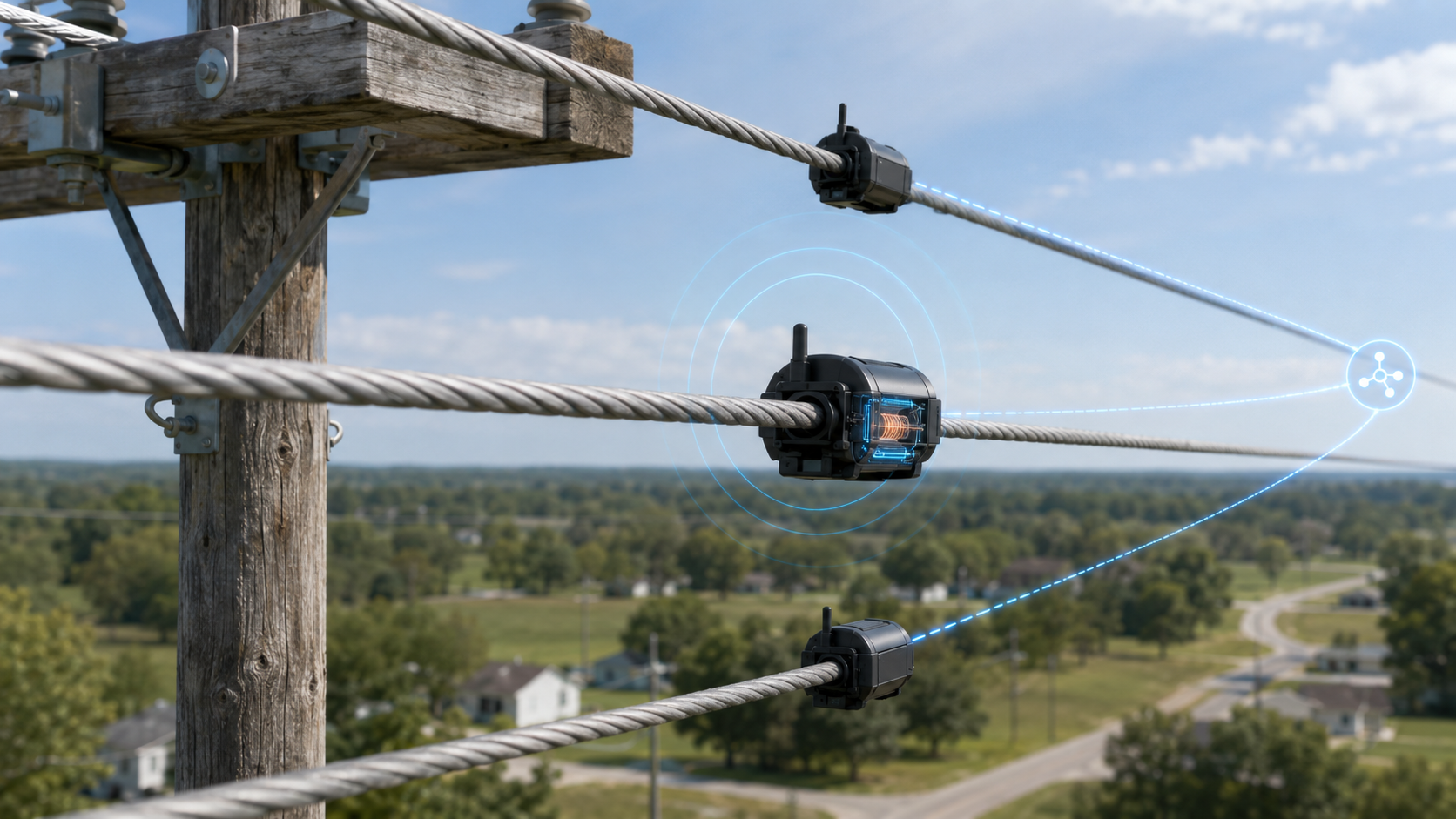
What Are Overhead Line Fault Indicators and How Do They Work?
Overhead line fault indicators help utilities find the faulted section of a power line faster. They do not repair the fault, but they give operators and field crews clear information about where to start inspection and restoration work. Quick Answer An overhead line fault indicator is a device used on overhead distribution lines to detect…
-
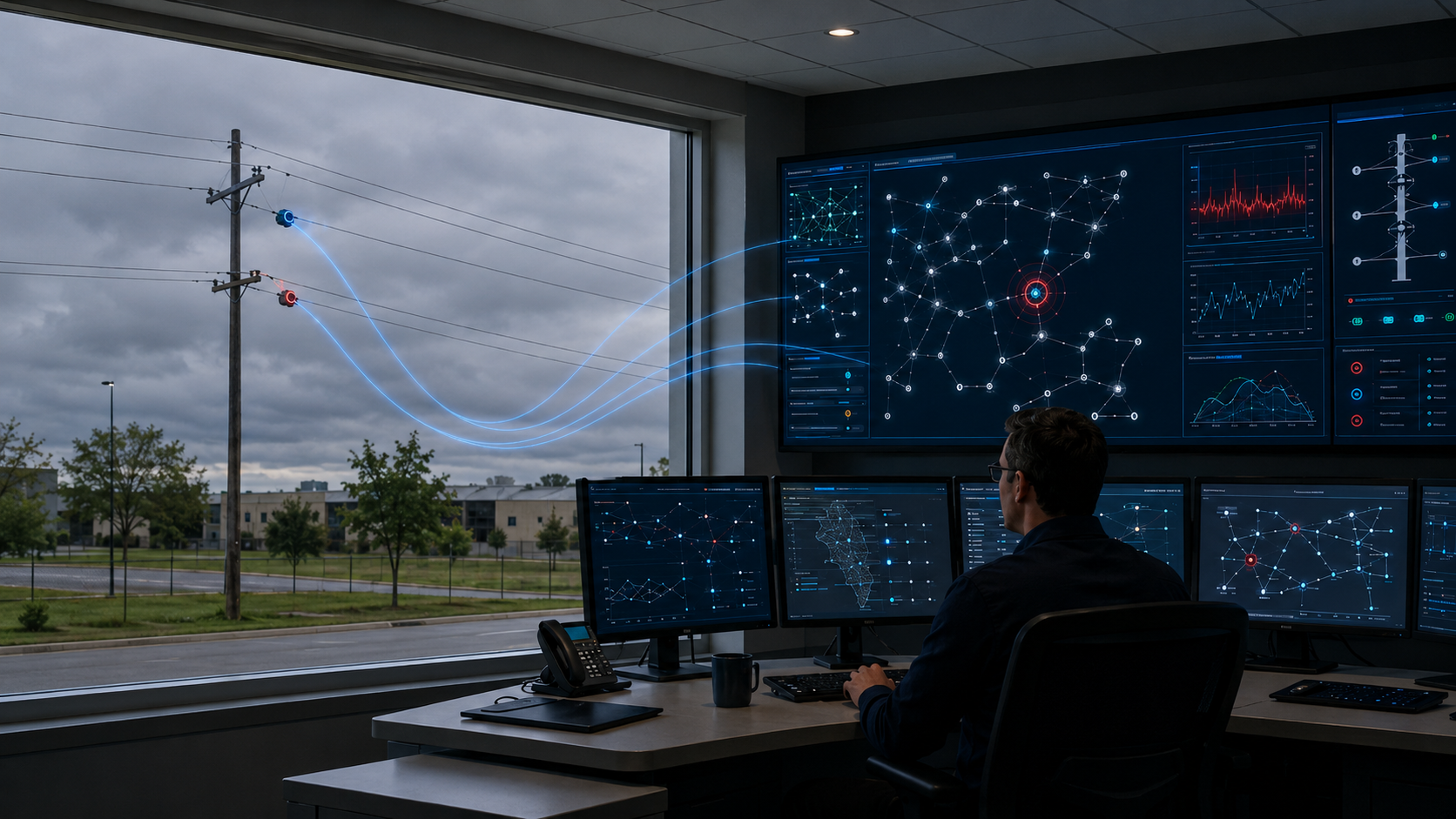
SCADA Integration for Overhead Line Fault Indicators
Overhead distribution lines are exposed to storms, vegetation, wildlife, equipment aging, and accidental damage. When a fault occurs, the utility must quickly understand where the problem is, which customers are affected, and what the field crew should inspect first. This is why SCADA integration for overhead line fault indicators is so valuable. A fault indicator…
-
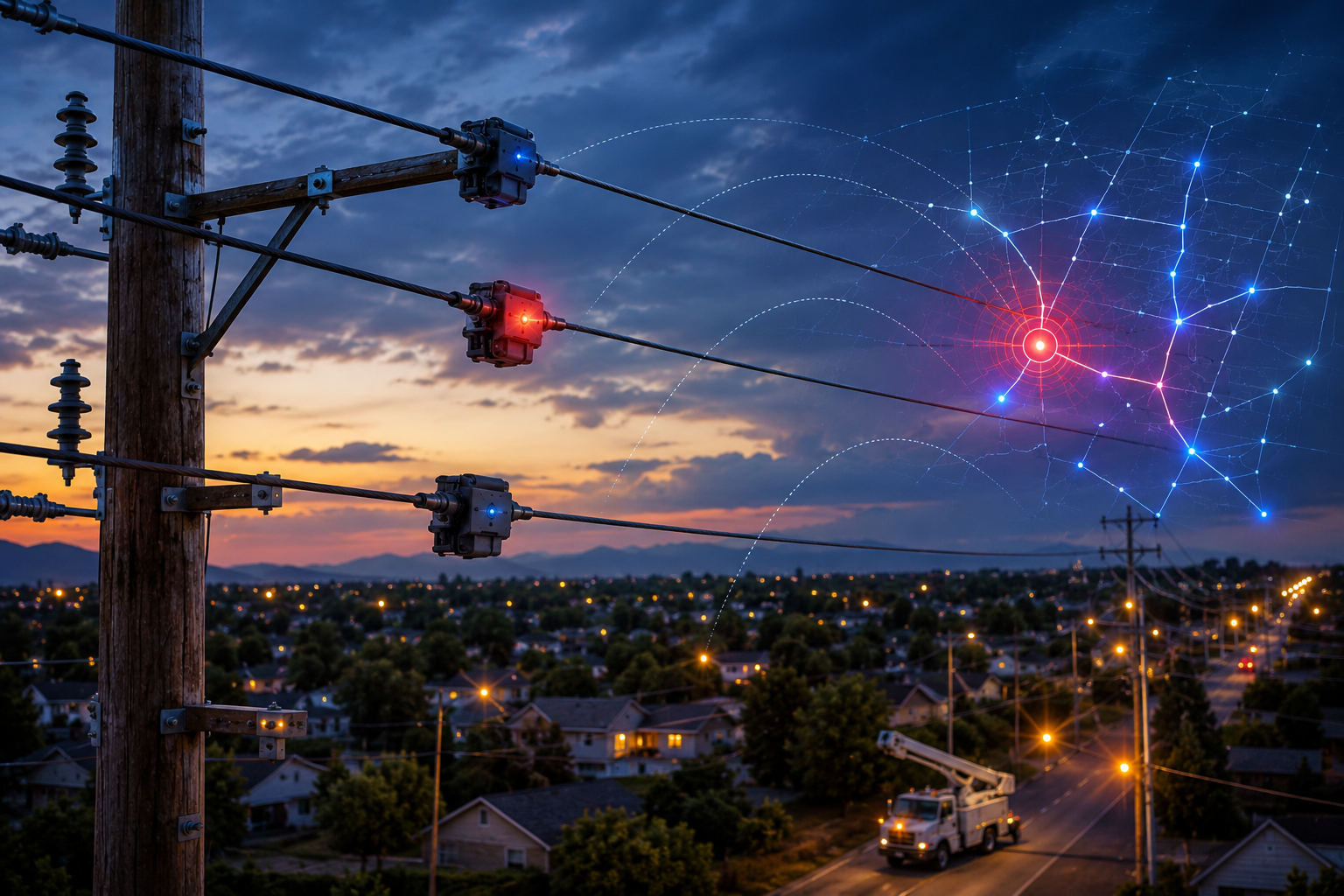
How Utilities Can Improve SAIDI and SAIFI with Fault Indicators
Power distribution reliability is measured not only by how often outages happen, but also by how long customers remain without power. That is why utilities track SAIDI and SAIFI as key reliability indicators. Improving these metrics requires better visibility across the network, faster fault location, and more efficient restoration workflows. Fault indicators, including overhead fault…
-
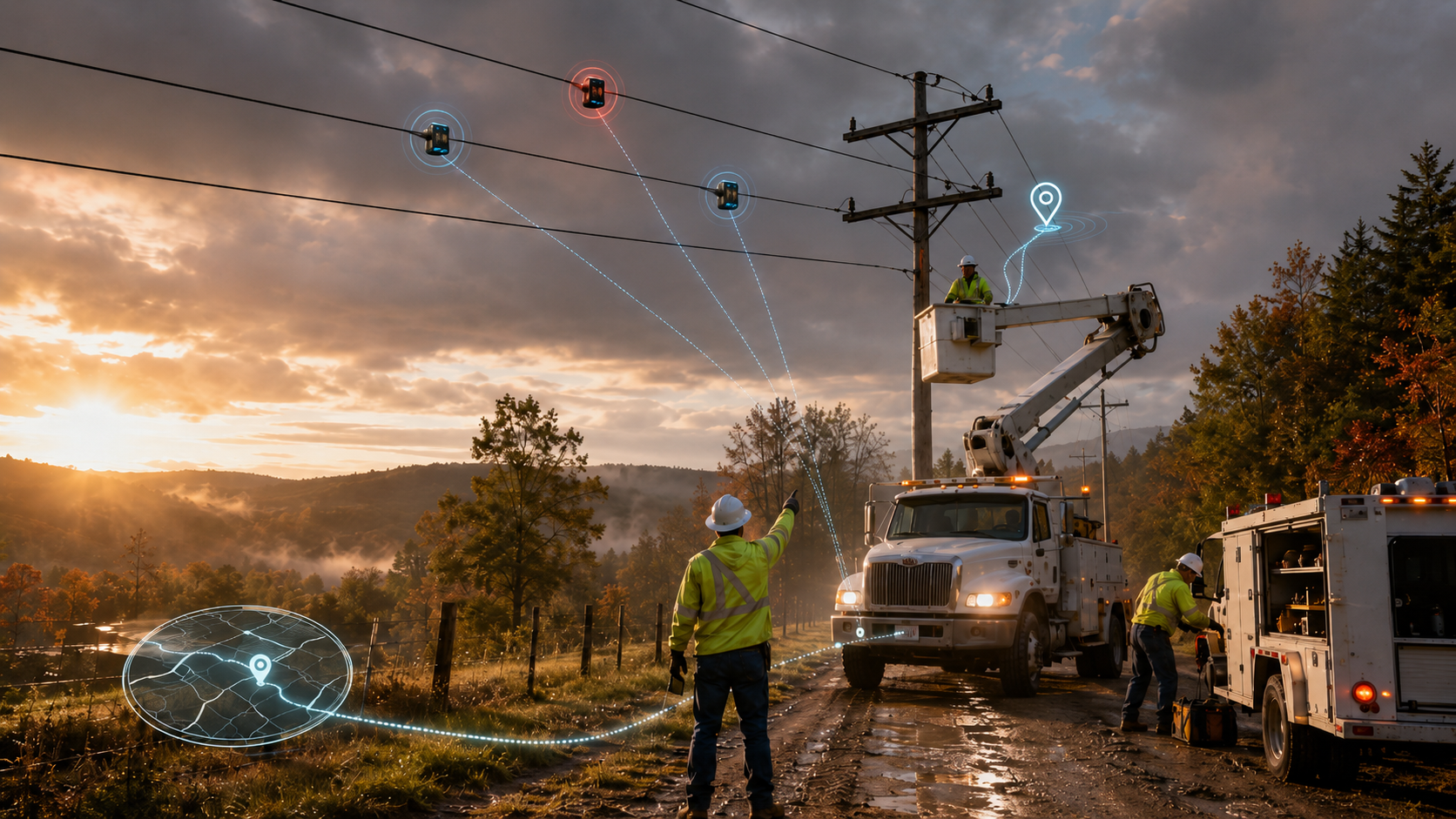
How Fault Indicators Support Faster Crew Dispatch
When a distribution line trips, the first challenge is not always the repair itself. Very often, the most time-consuming part is finding the faulted section. Crews may need to inspect long overhead feeders, check branches, drive through remote roads, and confirm whether the problem is a temporary fault or a permanent failure. Fault indicators help…
-
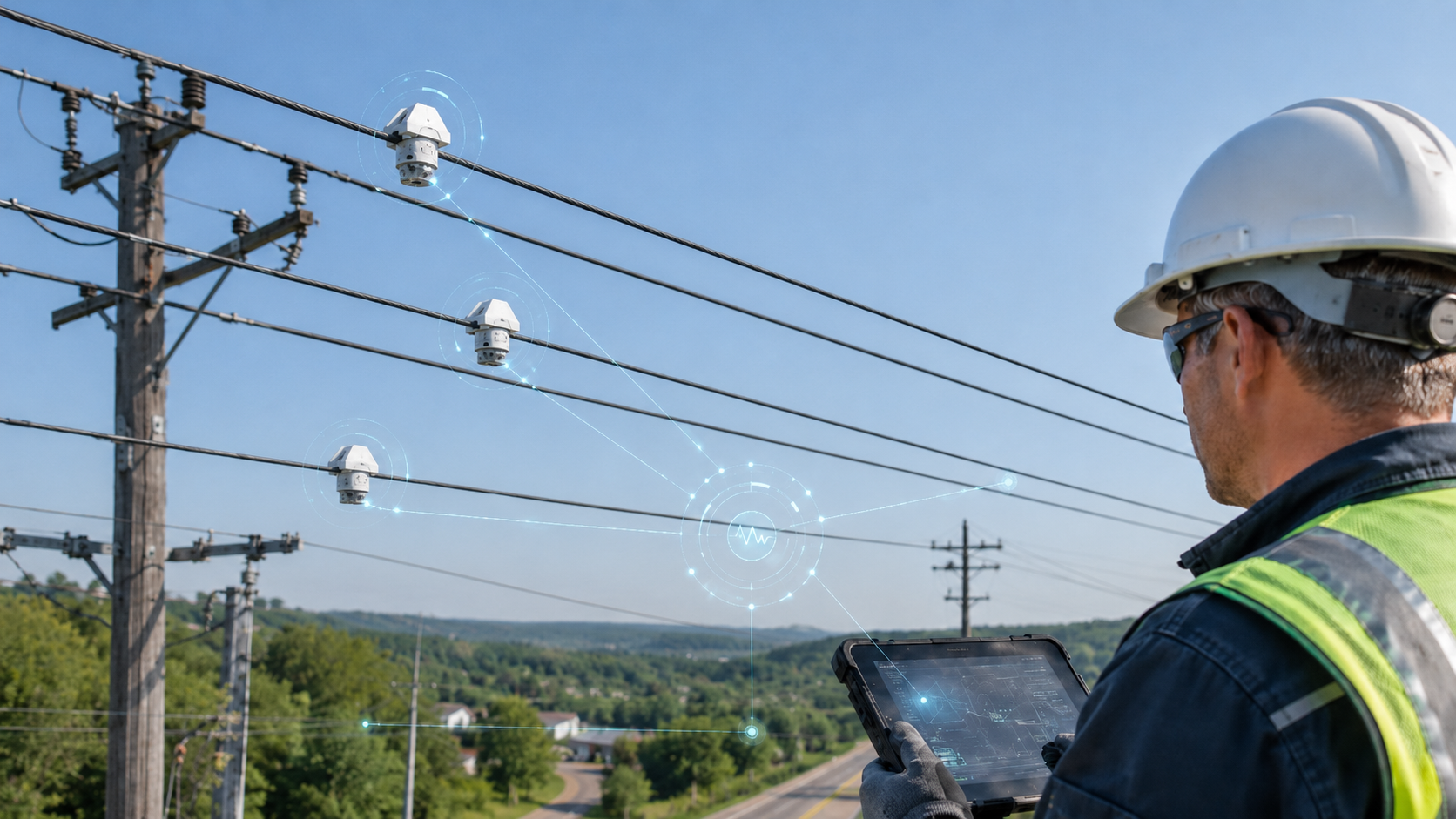
The Role of Line Sensors in Distribution Network Automation
The Role of Line Sensors in Distribution Network Automation Distribution networks are changing. Utilities now need to manage growing energy demand, distributed generation, aging infrastructure, and higher expectations for power reliability. At the same time, many overhead power lines still run through remote areas, forests, fields, industrial zones, and other locations where fault inspection can…